


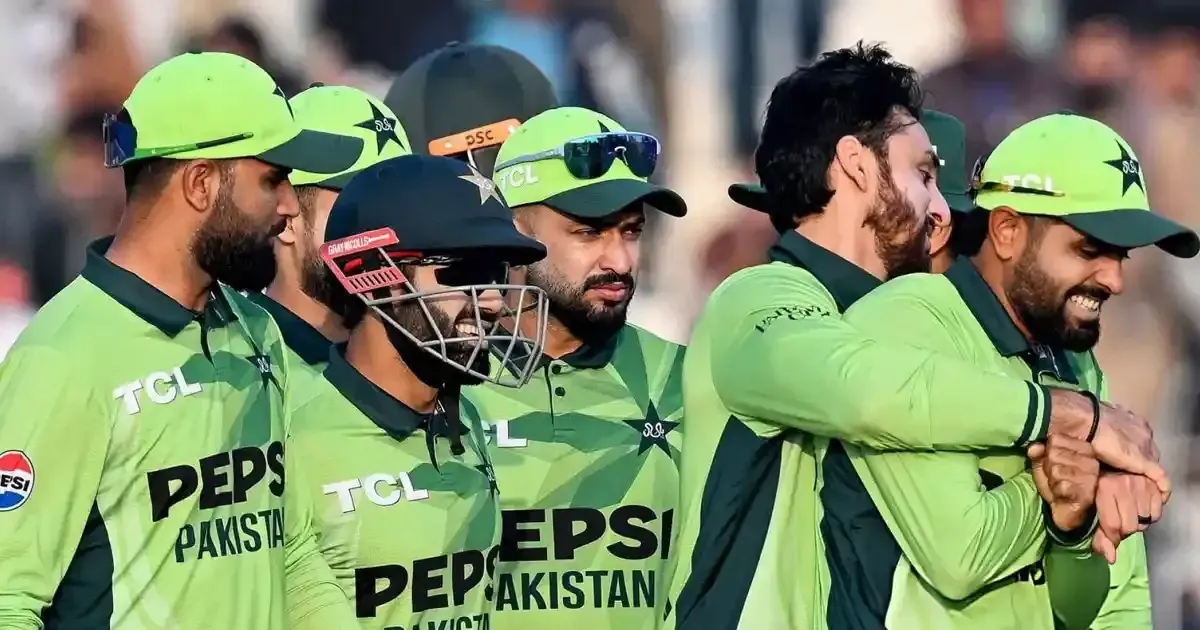
Pakistan cricket could be staring at one of its most serious international crises if the Pakistan Cricket Board (PCB) officially confirms a boycott of its T20 World Cup match against India. Such a move would not just be a political statement—it could invite strict action from the International Cricket Council (ICC), including the possibility of suspension.
The ICC operates as an independent global body, and one of its core principles is keeping cricket free from political interference. Any refusal to play a scheduled World Cup fixture, especially without extraordinary circumstances like security threats, would be viewed as a direct violation of ICC regulations. If the PCB formally communicates its intent to boycott the match, it may be interpreted as government interference in cricketing matters—something the ICC has historically taken very seriously.
A suspension would be catastrophic for Pakistan cricket. It could result in the national team being barred from ICC events, including the remainder of the T20 World Cup, future World Cups, Champions Trophy tournaments, and even ICC funding programs. For a board already facing financial challenges, losing ICC revenue streams would further weaken its structure.
Also Read | Pakistan boycott T20 World Cup match against India – Twitter reacts
Beyond finances, the reputational damage could be even more severe. Pakistan cricket has spent decades rebuilding trust after periods of isolation due to security concerns. A self-imposed boycott could undo years of progress, placing PCB alongside boards previously penalized for political interference. It would also reduce Pakistan’s influence within ICC decision-making circles, affecting future hosting rights and administrative leverage.
Players would be among the biggest casualties. Missing ICC tournaments limits exposure, endorsement opportunities, and career milestones. Young cricketers, in particular, would suffer the most, as global events often define their rise on the international stage. Domestic leagues and talent development pathways could also feel the ripple effects of reduced international engagement.
From a commercial standpoint, an India–Pakistan clash is the biggest revenue generator in world cricket. Broadcasters, sponsors, and tournament organizers depend heavily on this fixture. A boycott could strain PCB’s relationships with global broadcasters and sponsors, making future commercial negotiations far more difficult.
Historically, the ICC has shown willingness to act firmly when boards breach its code, regardless of the country involved. If PCB proceeds officially, the governing body may have little choice but to initiate disciplinary action to protect the integrity of the tournament.
While political tensions may exist outside the boundary lines, confirming a boycott could push Pakistan cricket into isolation once again—this time by choice, with long-lasting consequences that extend far beyond a single match.