


Perhaps India were a tad bit overconfident heading into yesterday’s big game against the Proteas. Perhaps India didn’t see such a huge disappointment coming as in their minds, they were just the best. Or perhaps it was both of these and with that the recent winning momentum India always had had given the way they been playing recently that could have contributed to their faltering against South Africa. It’s easy to pain a narrative on an instance at the field irrespective of how big a moment that was than realising the gravity of the matter. Or what may have actually led to it.
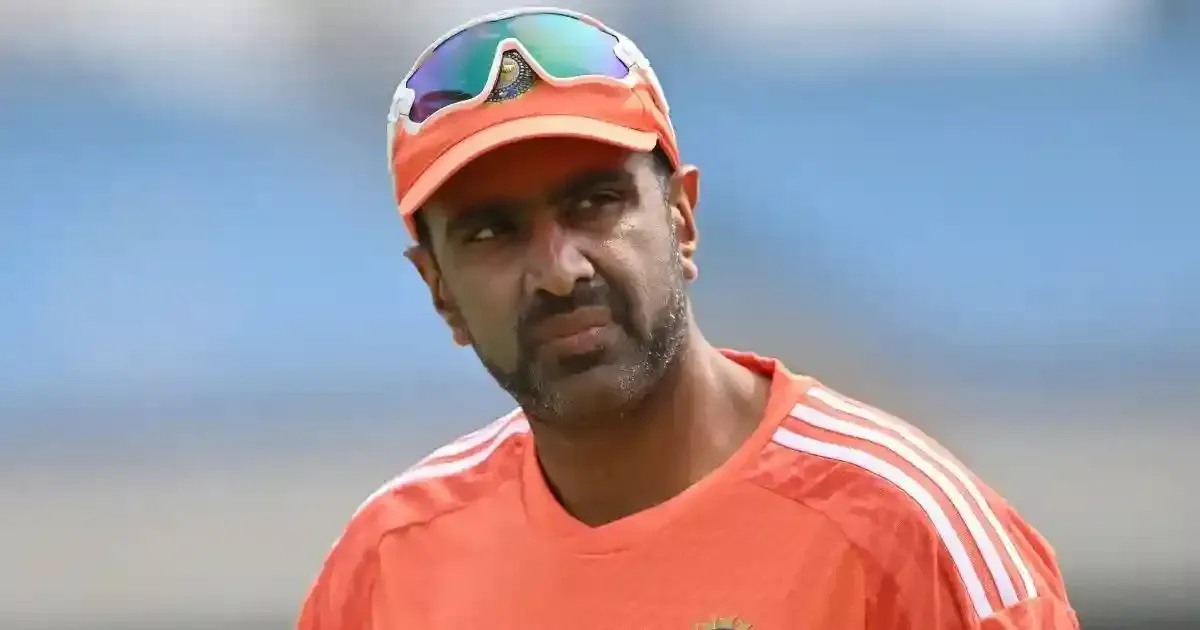
But not long after India’s harrowing loss - and forget not, it was a harrowing loss by 76 runs to South Africa - Ravichandran Ashwin has come forward to delve into what India did and where they faltered.
Here’s some rational criticism from the great off spinner Ravichandran Ashwin in India’s defeat at Ahmedabad, which led to shock post match analysis on the part of legions of fans who couldn’t believe what they saw:
Ravichandran Ashwin did not mince words while reflecting on India’s defeat to South Africa, offering a pointed assessment of what he felt were both tactical and mental lapses. The veteran spinner, known for his analytical approach to the game, suggested that India were outplayed in key moments and failed to adapt quickly enough to match conditions and opposition strategy. Ashwin highlighted that modern international cricket demands flexibility, particularly in pressure situations. According to him, India appeared reactive rather than proactive, allowing South Africa to dictate the tempo for large phases of the contest. He stressed that winning teams are often those that read conditions better and make braver decisions, especially when early plans do not work. He also alluded to the importance of situational awareness, noting that execution with both bat and ball lacked the sharpness typically associated with India’s recent performances. Ashwin emphasised that small errors — whether in field placements, shot selection, or bowling discipline — can accumulate quickly against quality sides.
While critical, his remarks were framed as a call for introspection rather than alarm. Ashwin underlined that setbacks can serve as valuable learning opportunities, particularly with a packed international calendar ahead. He urged the team to recalibrate, trust their skill sets, and respond with clarity and purpose in upcoming matches, reiterating that strong teams are defined by how they respond to defeats, not just by their victories.