

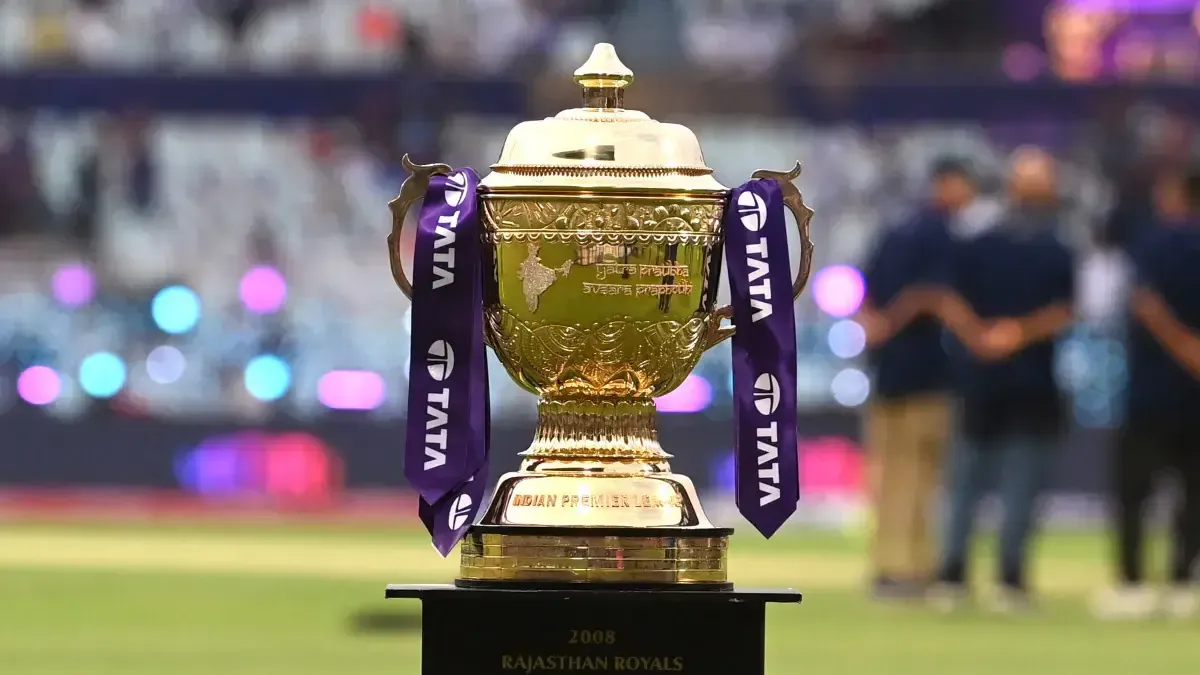
The Indian Premier League has implemented strict rules to prevent last-minute withdrawals by players after being picked in the auction. These regulations are designed to protect franchises from sudden setbacks and ensure commitment from both domestic and overseas players.
As per IPL rules, if a player pulls out of the tournament after being bought at the auction without a valid or approved reason, they face a significant penalty. The most important clause states that such players are banned from participating in the IPL for the next three seasons. This effectively means they cannot register their name for the auction during this period, closing the door on IPL opportunities temporarily.
The rule has been enforced more strictly in recent years, especially for overseas players, to maintain the credibility and professionalism of the league. Franchises invest heavily during auctions, not just financially but also strategically, building their squads around specific players. A last-minute withdrawal disrupts team balance, forces management to look for replacements, and can impact overall performance.
However, there are exceptions to this rule. If a player withdraws due to genuine reasons such as injury, medical conditions, or national duty backed by their respective cricket board, the IPL governing council may choose not to impose a ban. Each case is reviewed individually before a final decision is made.
In situations like that of Ben Duckett, where a player opts out close to the start of the season for reasons related to managing international commitments, it often falls into a grey area. If the explanation is not deemed strong enough by the authorities, the standard three-year ban can be applied.
Overall, this rule ensures that players think carefully before entering the auction and committing to a franchise. It reinforces accountability and helps maintain the competitive integrity of the IPL, which remains one of the most high-profile T20 leagues in world cricket.