


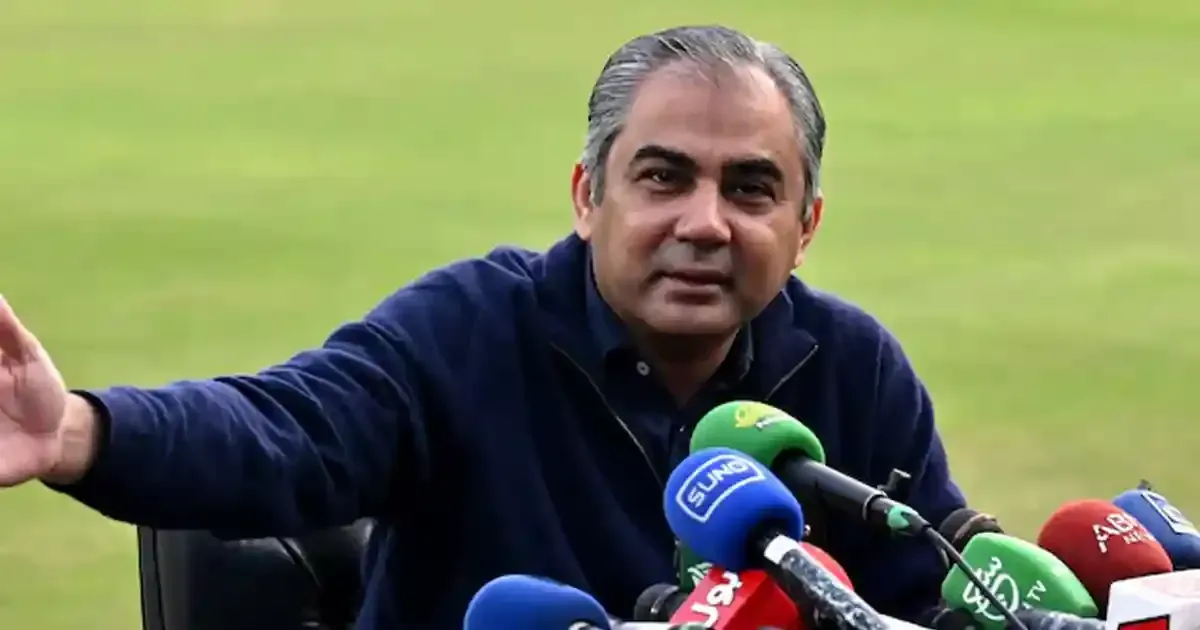
Mohsin Naqvi’s response after the recent hockey controversy is being seen as an effort to defend Pakistan’s image and take control of the situation. When he said he would not allow Pakistan’s dignity to be compromised, he was addressing public frustration and sending a message that such incidents should not happen again.
Pakistan, it ought to be noted, has a proud history in hockey, with past Olympic and World Cup successes. Because of this legacy, any issue involving the national team quickly becomes emotional for fans.
The recent episode raised questions about planning, communication, and how well sports authorities are managing international events and relations.
Naqvi’s intervention in the light of the recent mistreatment or let’s say very cold treatment extended to the Pakistan Hockey team (by Australian authorities), suggests that the government wants stronger coordination between officials, sports bodies, and event organizers so that players are not caught in avoidable problems. Athletes should be able to focus on their game, not administrative disputes or last-minute uncertainty.
However, strong statements alone will not be enough. What matters now is whether there will be real improvements—better organization, clearer communication with international federations, and more consistent support for teams. If these steps are taken, Pakistan can avoid similar controversies in the future and rebuild confidence in its sports management. In the end, protecting national dignity in sports is not just about reacting to crises, but about creating systems that prevent them in the first place.