

India may have won a crucial against The Netherlands team in an important T20 contest in the ongoing World Cup but the win wasn’t really a comprehensive win. A victory at last by 17 runs, but that wasn’t a huge margin or one whose scoreboard would mean a terrifying victory for the co hosts.
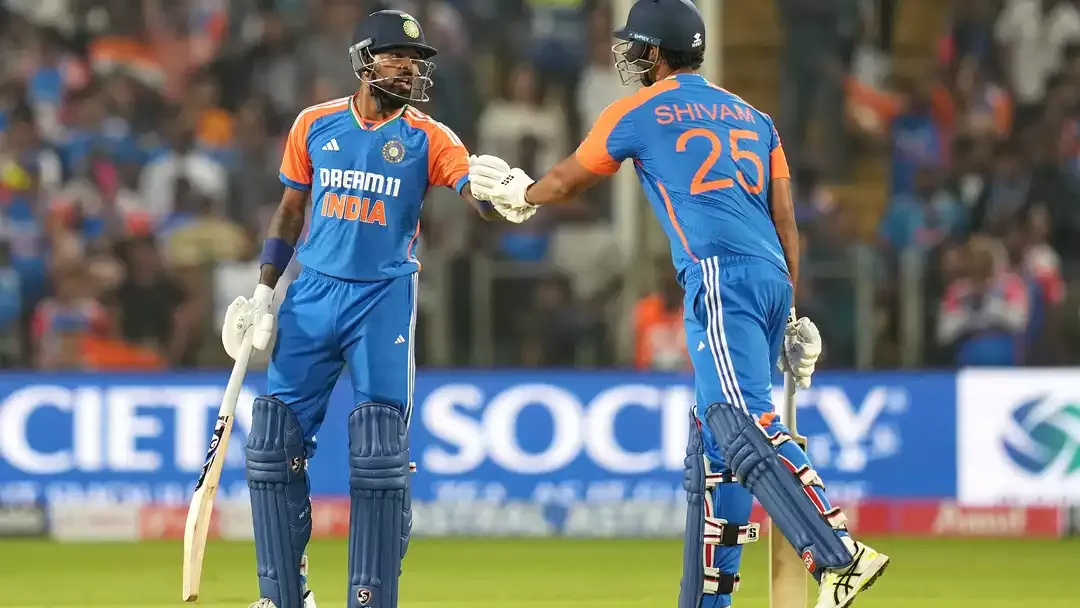
Nevertheless, a win is a win and one that came in with a handy contribution from a rising all rounder whose career is shaping really well. Shivam Dube. His all round exploits marked by a decisive fifty from down the order - 66 off 31 with a strike rate of over 200- and then two vital wickets including that of Bas de Leede, Shivam Dube was a class act. Wasn’t he?
But he revealed an interesting insight from the contest India won over the Dutch yesterday and it’s one that beckons to be observed.
Also Read: Did you know how many spectators watched India vs Netherlands in Ahmedabad?
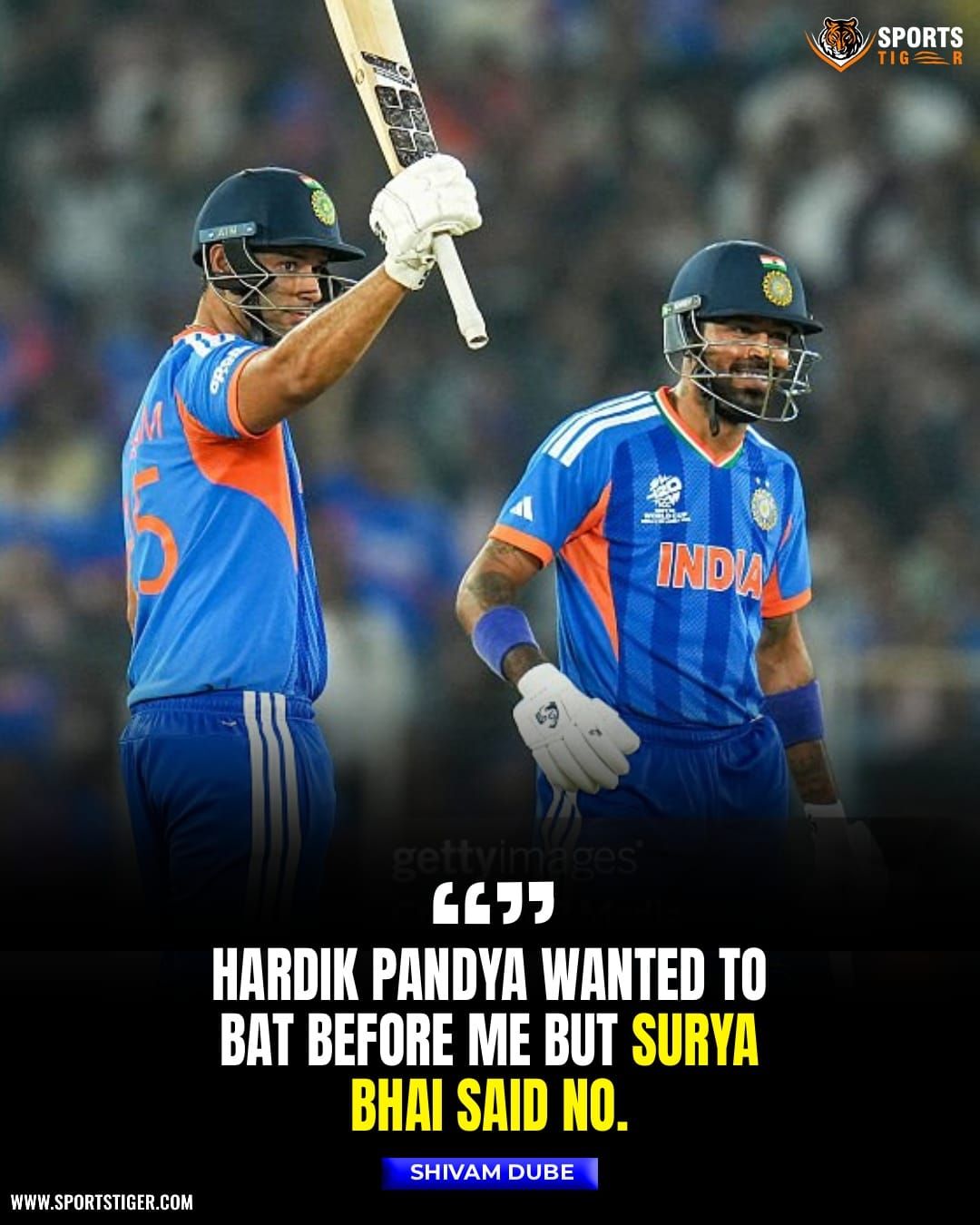
Shivam Dube revealed an interesting behind-the-scenes moment from India’s crucial T20 World Cup clash against the Netherlands, sharing that Hardik Pandya was initially keen to walk in ahead of him during a key phase of the chase. However, stand-in decision-maker Suryakumar Yadav had other plans and insisted that Dube stick to the batting order, a move that ultimately paid off for the team. According to Dube, the situation demanded a left-right combination and a batter who could stabilize before accelerating.
While star all rounder Hardik Pandya, known for his finishing prowess, was ready to take responsibility, India’s leader Suryakumar Yadav backed Dube’s ability to handle spin and build momentum in the middle overs. The call reflected the team’s clarity in roles and trust in match-ups rather than reputation alone. Dube justified that faith with a composed innings, focusing on strike rotation early before opening up with calculated hitting. His approach helped India maintain control of the chase, ensuring there was no late pressure in what was a must-win encounter. The moment also highlighted the strong camaraderie within the squad. Hardik’s willingness to step aside and Suryakumar’s tactical clarity underlined a collective mindset, where team strategy took precedence over individual preferences—one of the key factors behind India’s clinical victory.