

Sometimes, a game of cricket can depend on minute factors. For example, there is a difference in how a bowler uses his hands when spinning. There are two types of spinners - wrist spinner and finger spinner. While these terms appear alike, they are vastly different from one another. The former depends on a quick movement of the wrist that will induce a sharp turn in the ball. Meanwhile, finger spin depends on manipulating the fingers to induce line and length. Both types of spinning have become part of strategy formulation for the game in all formats, whether it be Test matches or T20 games.
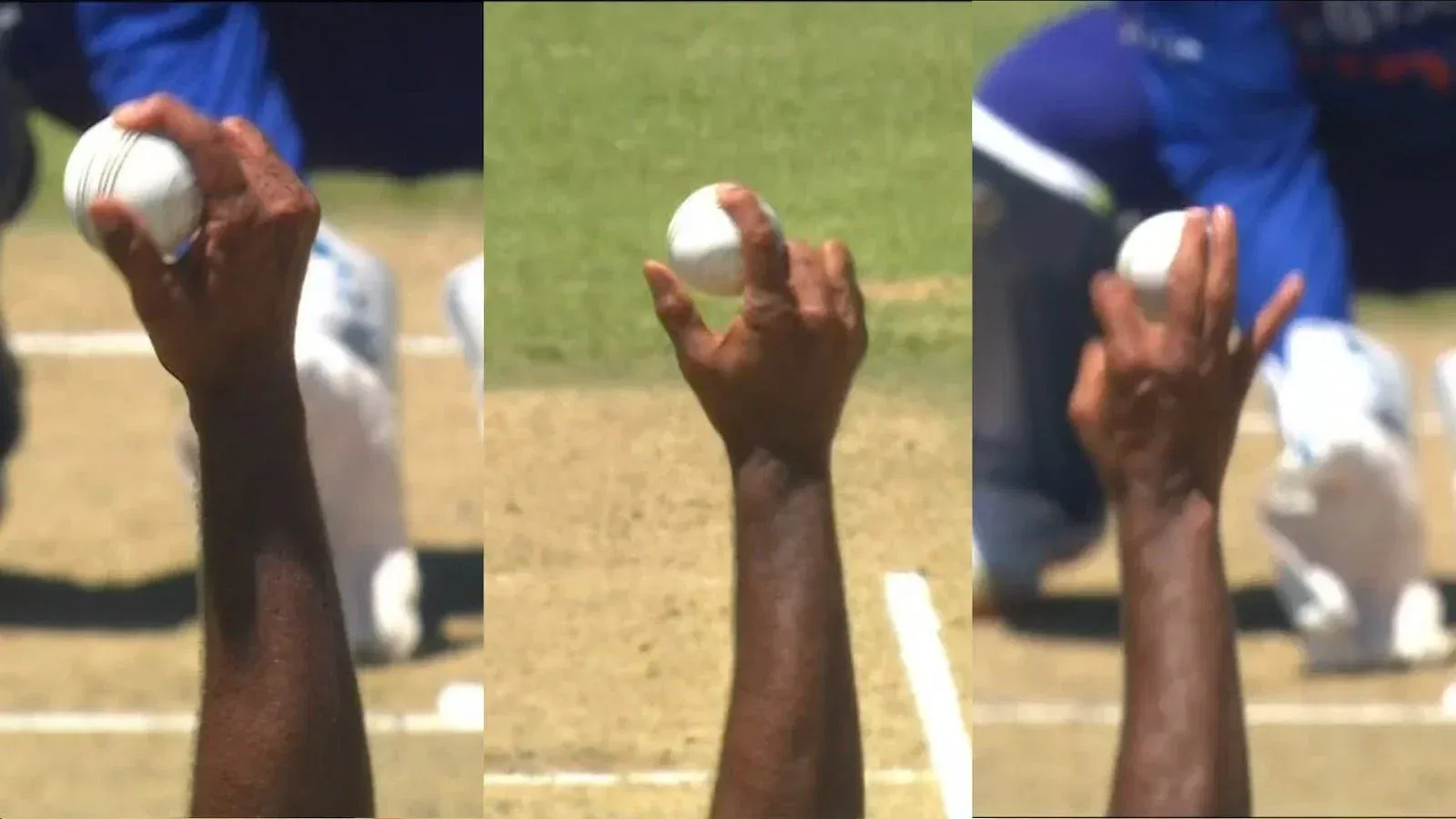
It all boils down to this: finger spinners are those who place their fingers onto the ball before rolling it off. This induces turn in the ball and helps them in getting accurate deliveries every time. On the other hand, wrist spinners rotate their wrists before letting go of the ball. As a result, finger spin suits long spells, while wrist spin is often used as a strike weapon.
Where Does the Spin Really Come From?
It is all about how the spin can be generated. Spin generated from finger spin involves rolling the ball along its seam using one’s fingers. Spin created through wrist spin is done through a powerful wrist movement which adds spin. Wrist spin leads to more rotations thus better turn and bounce, while finger spin results in consistent deliveries.
Finger Spin: Control First
The finger spin technique requires precision. The delivery will closely follow the movement of the body. Hence, it is easy to target specific spots. Normally, the delivery tends to turn into the batsman for a right-arm off-spin. Such deliveries are heavily reliant on minute variations in pace, trajectory, and angle. They often build pressure over time rather than relying on surprise.
Wrist Spin: The Art of Deception
Wrist spin is tougher to learn but much more entertaining. The bowler gives the ball side spin while propelling it down the pitch. It is a naturally variable technique. The ball usually swings away from the batsman, thus creating more opportunities for edges. A wrist spinner can also deliver surprises with his bowling. However, they are also prone to loose balls due to lower control.
Also Read | What is the difference between leg bye and byes in cricket?
How Finger Spin is Different from Wrist Spin?
The Grip Matters More Than It Seems
Grip makes the contrast obvious. In finger spin bowling, the ball is held tightly, with fingers placed over the seam. The release of the ball is steady. With wrist spin bowling, the ball is held less tightly, and the wrist rotates before releasing the ball, causing it to roll off the fingers. This looser grip allows variation but reduces consistency.
What Happens in the Air?
The battle starts even before the ball is delivered. Drift, dip, and flight influence the response of the batters. In most cases, wrist spinners create more drift and dip because of the sharp spin created. The ball drops suddenly, confusing the batter’s judgment. Finger spinners rely more on steady flight and slight movement. Their strength lies in predictability turned into pressure.
Variations: The Real Weapons
The methods require varying sets of tools. The finger spinner makes use of the arm ball, carrom ball, and varying pace. The wrist spinner has a more varied list - googly, flipper, top spinner, and slider. Though they look alike, their actions are different. This makes the wrist spinner more difficult to read, especially in shorter formats.
A Benchmark for Wrist Spin - Shane Warne
It was Shane Warne who established the benchmark for wrist spin bowling. His effectiveness lay in his ability to use the three factors of drift, turn, and variety. Warne did not depend on one type of delivery, but kept batters guessing all the time. His approach showed that wrist spin is as much about strategy as skill.
Reinventing Finger Spin - Ravichandran Ashwin
Ashwin is considered to be a modern finger spinner. He went ahead and surpassed all other finger spinners. By incorporating new techniques and by carefully observing the batsmen, he made finger-spin into an aggressive approach. His style shows that control and innovation can match the threat of wrist spin.
Conclusion
In conclusion, there is not much difference between the two types of bowling because ultimately both of them result in the same thing – taking the wicket! Both finger spin and wrist spin have their own advantages and disadvantages. What will work is totally dependent on the circumstances and team’s strategy. The contrast between them remains one of the game’s most fascinating battles.