


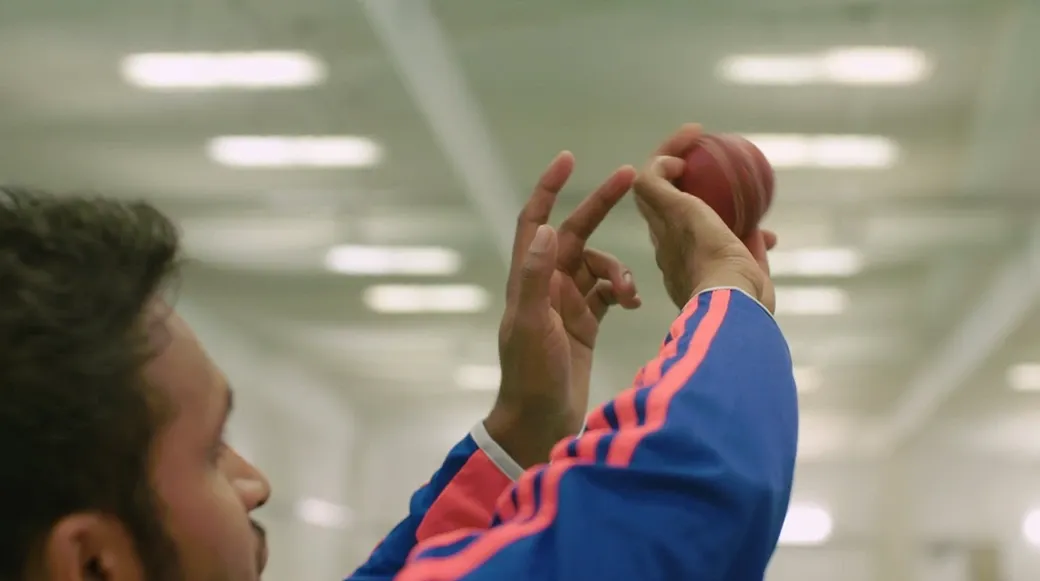
An ordinary-looking ball that creates chaos in the game is the essence of a googly. The unique delivery, which originated in England in the early 1900s, revolutionized spin bowling techniques. Invented by Bernard Bosanquet, the googly confuses the batsmen through its unexpected spin direction. It continues to be an important part of contemporary cricket games, particularly quick ones. Every leg spinner must learn how to bowl the googly. Mastery of this variation often separates average bowlers from match-winners.
The uniqueness of the googly lies in its ability to add an element of surprise. Whereas a traditional leg break spins away from a right-handed player, the googly bends back inwards. Such a dramatic change is enough to induce errors. Consequently, it has emerged as the best technique of leg spinners who want to break partnerships.
The Deceptive Spin That Changes Direction
A googly is a ball that is delivered by a leg spin bowler. It appears to be an ordinary leg break but has a unique behavior when it bounces. Rather than turning away from the batsman, it turns into him. Batters are usually fooled in terms of direction and end up hitting the ball wrongly. The effectiveness of this ball largely relies on the disguising of its behavior. The action must look identical to a regular delivery until the last moment.
From Experiment to Innovation
The history of the googly is linked to Bernard Bosanquet. He invented it by using a ball that bounced around. He later developed the concept to use it in cricket. The fact that he could spin the ball in both directions amazed the batsmen. Although his performance was sometimes inconsistent, his innovation transformed the art of spin bowling. Over time, others refined the technique and made it a core skill. Also Read | What is the difference between leg bye and byes in cricket?
Why the Name Still Puzzles Many
The term “googly” has unclear roots. Some believe it reflects trickery and surprise. Others link it to older slang. What is certain is its association with deception. The name gained popularity when Bosanquet used the delivery in matches. Since then, it has become a standard cricketing term, symbolizing an unexpected twist.
How Bowlers Execute the Googly
The process begins with a standard leg-spin grip. The index and middle fingers rest on the seam. The ring finger plays a key role in spinning the ball. The run-up remains unchanged to avoid giving clues. The real difference appears at release. The wrist turns so the back of the hand faces the batter. The ball rolls off the fingers, creating reverse spin. Body alignment also matters. A side-on position and smooth follow-through help generate control and revolutions.
Key Tips to Make It Effective
The bowler has to concentrate on deception. The technique cannot be altered. The placement of the wrist has to be kept under wraps until the point of delivery. Accuracy is essential as well. The ball must strike the ground at the same spot each time. There is no need for excessive utilization. Otherwise, the batsmen will adapt. Practice drills like wrist flicks and target bowling help improve control. Above all, repetition builds confidence and muscle memory.
Conclusion
The googly is not just an alteration but a tactic. When executed correctly and at the perfect moment, it has the ability to change the momentum completely. But the use of this ball requires accuracy and patience. One must first become adept at bowling the normal ball before turning to the trickery of the googly. In modern cricket, where batters dominate, this deceptive ball remains a powerful equalizer.