

The Indian Premier League 2026 season promises high-intensity cricket, but beyond the runs and wickets, the spotlight will firmly be on the captains. Leadership in the IPL has always been closely scrutinized, and this year, several skippers enter the tournament carrying significant pressure due to expectations, team dynamics, and personal stakes.
Topping the list is Hardik Pandya of Mumbai Indians. After a turbulent previous season marked by leadership transitions and mixed results, Hardik faces immense pressure to justify his position. Mumbai Indians are known for their championship pedigree, and with a squad filled with match-winners, anything less than a strong playoff run could invite heavy criticism. Hardik must not only deliver results but also ensure harmony within the dressing room.
Rishabh Pant, leading Lucknow Super Giants, is another captain under the scanner. Returning stronger and fitter, Pant appears to have evolved both physically and mentally. However, leading a franchise that is still finding its identity comes with challenges. Pant’s aggressive approach needs to be balanced with tactical discipline, and this season could play a defining role in shaping his captaincy credentials.
Shubman Gill’s leadership at Gujarat Titans also carries weight. Having shown promise in previous seasons, Gill now faces the expectation of converting potential into silverware. Gujarat Titans have a well-rounded squad, and consistency will be key. Gill’s calm temperament is an advantage, but his ability to make bold decisions in high-pressure situations will be tested.
Shreyas Iyer’s move to Punjab Kings brings its own set of expectations. Punjab has long struggled with consistency despite having talented squads over the years. Iyer is known for his sharp cricketing mind, and the franchise will rely on him to bring structure and direction. Breaking the cycle of underperformance will be his biggest challenge.
Rajat Patidar, leading Royal Challengers Bengaluru, finds himself in a unique situation. Captaining a team with established superstars and a massive fan base adds layers of complexity. The pressure to deliver a maiden title remains constant for the franchise, and Patidar must manage both expectations and personalities effectively.
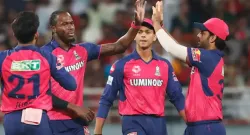
Riyan Parag’s appointment as Rajasthan Royals captain is one of the boldest decisions of the season. Young and talented, Parag has shown glimpses of his potential, but leading an IPL side is an entirely different challenge. With a balanced squad at his disposal, the focus will be on how he handles pressure and grows into the leadership role.
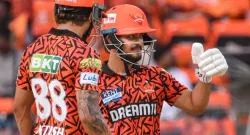
Ishan Kishan, serving as interim captain for Sunrisers Hyderabad, also has a point to prove. Stepping in as a temporary leader is never easy, especially for a team that has struggled with consistency. Kishan will look to make the most of this opportunity to showcase his leadership skills.
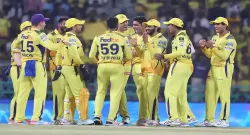
While captains like Ruturaj Gaikwad, Axar Patel, and Ajinkya Rahane face relatively moderate pressure due to stable team environments or balanced expectations, the overall theme of IPL 2026 remains clear. Leadership will be a defining factor, and how these captains respond could shape the narrative of the entire season.
IPL 2026 Captains – Overview Table
| Team | Captain | Pressure Level | Key Reason |
|---|---|---|---|
| Mumbai Indians | Hardik Pandya | Very High | Leadership scrutiny, expectations of titles |
| Lucknow Super Giants | Rishabh Pant | Very High | Comeback season, proving captaincy credentials |
| Gujarat Titans | Shubman Gill | High | Strong squad, expectation to win trophy |
| Punjab Kings | Shreyas Iyer | High | Need to fix inconsistency and deliver playoffs |
| Royal Challengers Bengaluru | Rajat Patidar | High | Managing big stars, title expectations |
| Rajasthan Royals | Riyan Parag | High | Young captain, proving leadership ability |
| Sunrisers Hyderabad | Ishan Kishan | High | Interim role, stabilizing inconsistent team |
| Chennai Super Kings | Ruturaj Gaikwad | Moderate | Carrying forward legacy, but stable setup |
| Delhi Capitals | Axar Patel | Moderate | New role with balanced expectations |
| Kolkata Knight Riders | Ajinkya Rahane | Moderate | Experienced leader, relatively lower pressure |