


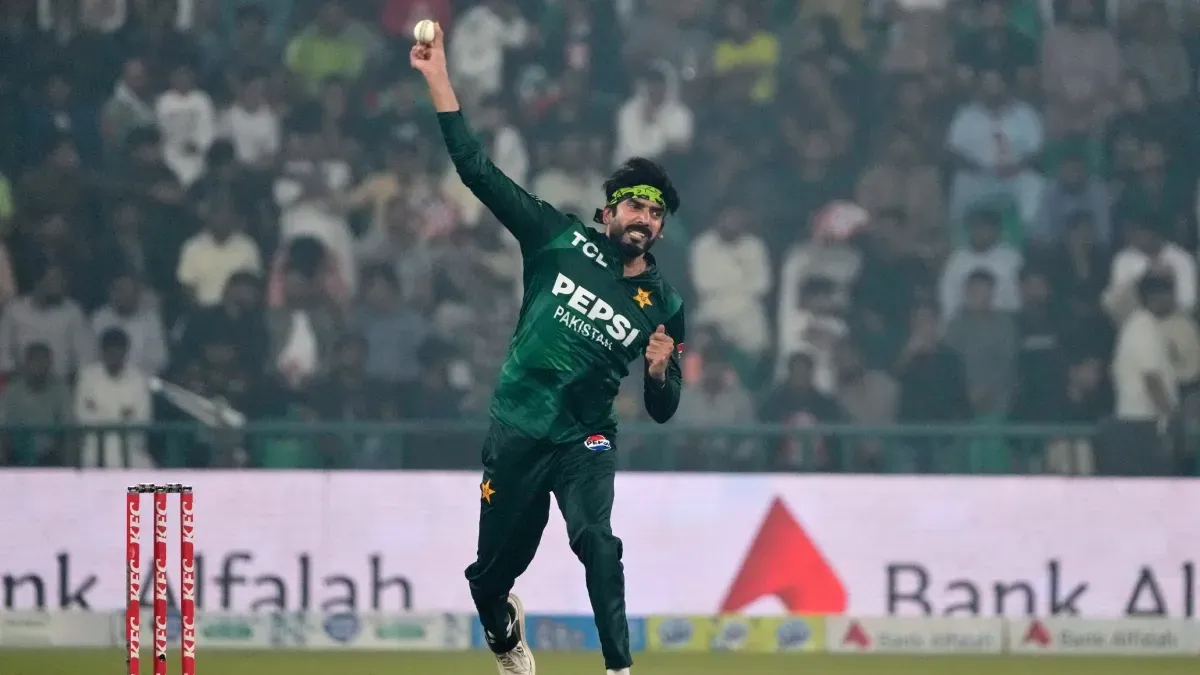
Usman Tariq endured a difficult outing against India, failing to make the impact his team had hoped for in a crucial contest. The young bowler, who came into the match with expectations of controlling the middle overs, ended with figures of 1 wicket for 24 runs in 4 overs, a spell that reflected both discipline in patches and pressure from India’s aggressive batting lineup.
Tariq earlier to the game said that he can single handedly win game for Pakistan against India. He was severely trolled after that.
From the start, India’s batters looked determined to disrupt Tariq’s rhythm. Rather than allowing him to settle into consistent lines and lengths, they rotated strike cleverly and punished even slightly loose deliveries. While 24 runs in four overs may not appear overly expensive on paper, the context of the game made the spell underwhelming. The lack of dot-ball pressure meant India’s scoring rate never dipped, allowing them to maintain momentum throughout his overs.
Tariq’s lone wicket came as a brief moment of relief. It showcased his ability to extract bounce and deceive the batter, hinting at his potential. However, that breakthrough did little to shift the match’s balance. India’s deep batting order ensured that any advantage gained was quickly neutralized, as incoming batters continued to attack with confidence.
Also Read | T20 World Cup 2026: Tilak Varma plays a sluggish knock against Pakistan - Twitter reacts
One of the key issues for Tariq was his predictability in pace variations. Indian batters appeared prepared for his stock deliveries and adjusted early, stepping out or rocking back depending on length. Without consistent variation or sharper turn, he struggled to build sustained pressure. In modern limited-overs cricket, bowlers are often judged not only by wickets but also by their ability to restrict scoring, and on this occasion, Tariq couldn’t fully deliver on either front.
Despite the underwhelming performance, it would be premature to judge him too harshly. Young bowlers often face steep learning curves against top-tier opposition, and facing a batting unit of India’s caliber is among the toughest challenges in international cricket. Matches like these can serve as valuable lessons, helping players refine strategy, improve composure, and develop better adaptability under pressure.