

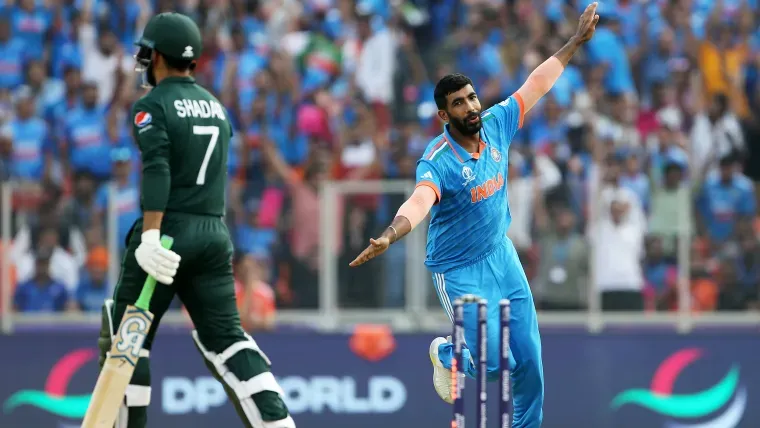
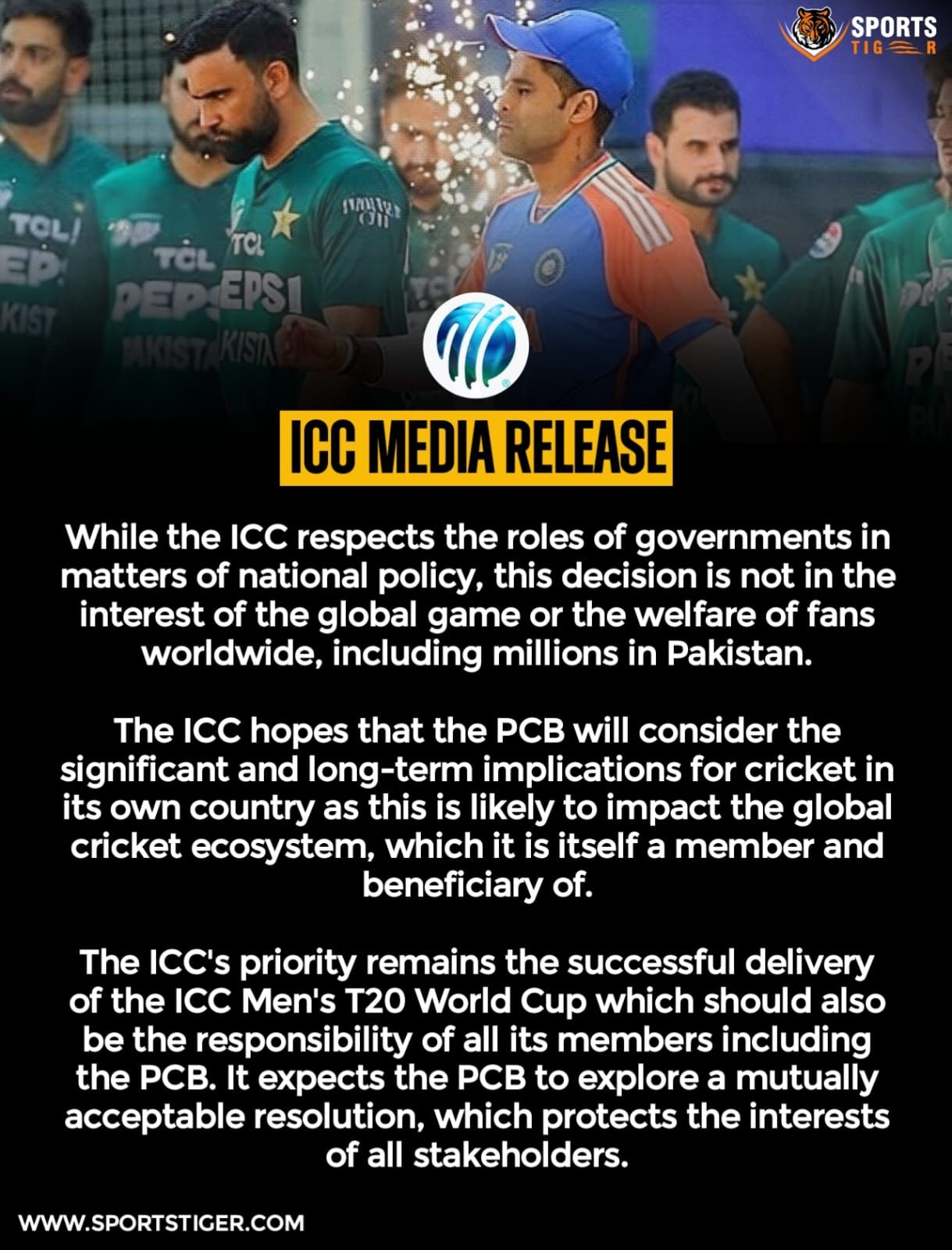
The possibility of Pakistan boycotting its high-profile T20 World Cup 2026 match against India has sent shockwaves across the cricketing world. While political tensions between the two nations are nothing new, refusing to play a World Cup fixture could carry serious sporting, financial, and reputational consequences for the Pakistan Cricket Board (PCB).
An India-Pakistan clash is not just another group game — it is the most watched fixture in world cricket. Walking away from it would trigger a chain reaction that could hurt Pakistan cricket far beyond a single tournament.
Automatic Forfeit and Tournament Damage
If Pakistan chooses not to take the field, the match would almost certainly be treated as a forfeit. This means India would receive full points, while Pakistan would walk away with nothing.
In a short tournament like the T20 World Cup, losing two points without playing can be fatal. Net Run Rate could also take a hit depending on ICC regulations, making qualification for the next round extremely difficult. In simple terms, one political decision could end Pakistan’s World Cup campaign before it even gains momentum.
Heavy Financial Losses for PCB
The financial implications could be even more damaging.India vs Pakistan matches generate enormous revenue through broadcast rights, sponsorships, and advertising. Missing out on this fixture affects not just the ICC, but also the PCB’s share of tournament earnings.
The PCB relies heavily on ICC distributions to keep its domestic structure running — including player payments, development programs, and stadium maintenance. Any reduction or withholding of funds would put immediate pressure on Pakistan cricket’s already fragile financial ecosystem.
There is also the risk of legal claims from broadcasters and sponsors, who pay premium amounts specifically for marquee games like India vs Pakistan. Even if the ICC absorbs part of the impact, the PCB could still face significant compensation demands.
ICC Sanctions and Disciplinary Action
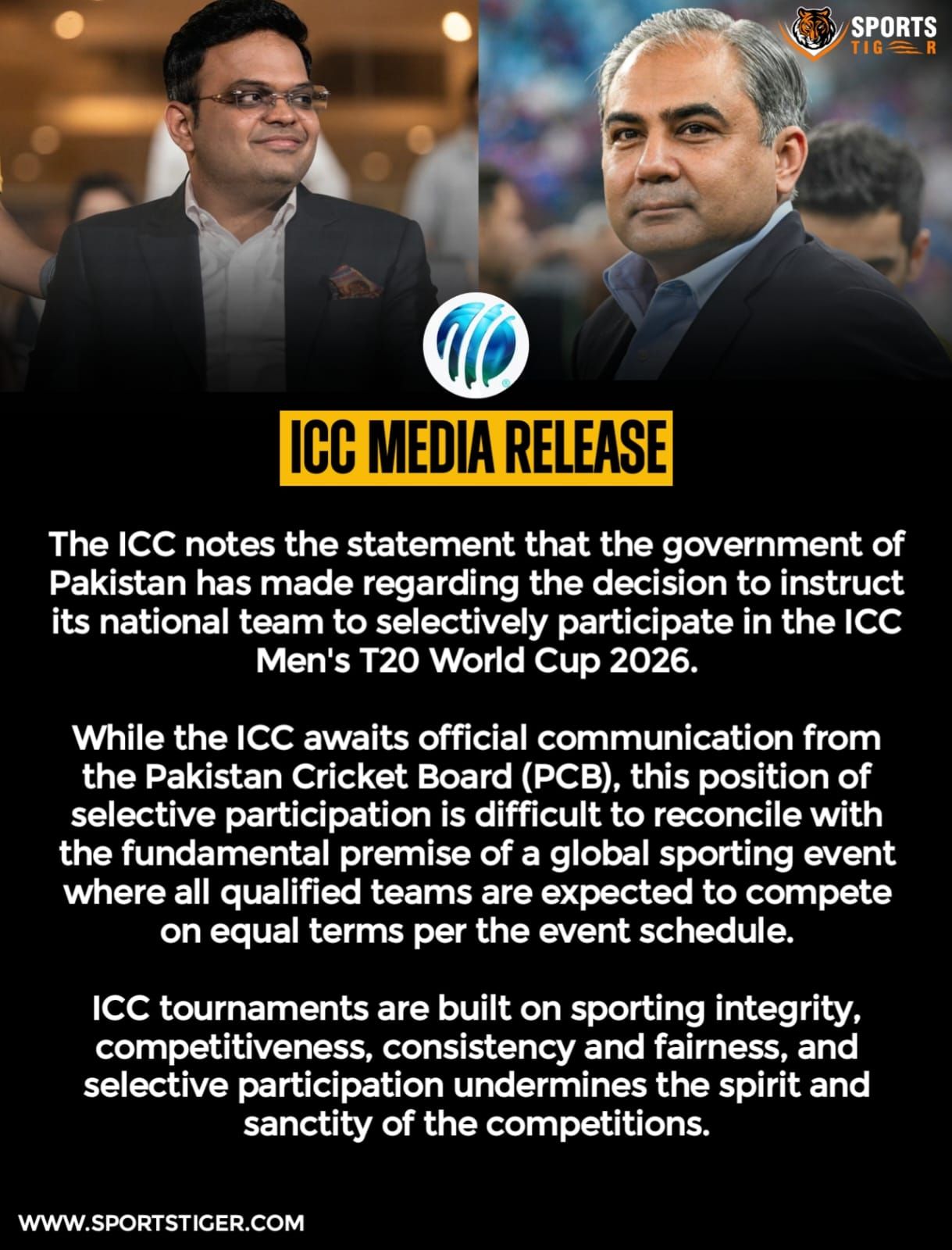
The ICC has always maintained that cricket should remain separate from politics, especially during global events. A deliberate boycott sets a dangerous precedent, and the governing body is unlikely to ignore it.
Possible ICC actions against the PCB could include:
- Financial penalties
- Restrictions on future ICC event participation
- Reduced influence in ICC decision-making
- Tighter scrutiny on Pakistan hosting rights
While a full suspension is unlikely, long-term diplomatic damage within world cricket is very real.
Reputation Hit on the Global Stage
Beyond numbers and penalties, the reputational damage could be lasting.
Pakistan has worked hard in recent years to rebuild trust — from hosting international teams again to staging major tournaments. A World Cup boycott would undo much of that goodwill and reinforce the perception that Pakistan cricket is vulnerable to political interference.
This could make other boards hesitant to schedule tours, collaborate on tournaments, or support PCB proposals in ICC meetings.
Players Pay the Price
Perhaps the most unfortunate victims of this situation would be the players.
A World Cup is the biggest stage in T20 cricket. Missing a match — especially against India — denies players exposure, experience, and legacy moments. It could also impact player morale and create friction between athletes and administrators.
In the long run, players might also face restrictions in overseas leagues if relations between PCB and the ICC worsen.
Fans and Commercial Interest Take a Hit
For fans, especially neutral viewers, an India-Pakistan match is the heartbeat of a World Cup. A boycott would leave millions disappointed and reduce overall tournament buzz.
Commercially, brands may think twice before investing heavily in Pakistan matches in future events, fearing uncertainty. That loss of confidence can quietly hurt sponsorship valuations for years.
Politics vs Cricket: A Familiar but Risky Line
Cricket has always existed in a sensitive space between sport and geopolitics in the subcontinent. However, selectively boycotting a World Cup match is a rare and risky move.
The PCB finds itself stuck between government directives and international sporting commitments. While political pressures are understandable, the cost of compliance may be far higher than the cost of participation.
Final Thoughts
If Pakistan proceeds with a boycott against India at the T20 World Cup 2026, the repercussions for the PCB could be severe and long-lasting — from immediate tournament damage and financial losses to reputational harm and strained ICC relations.
What might begin as a political statement could end up being one of the most expensive decisions in Pakistan cricket history.
For the PCB, this is no longer just about one match — it’s about safeguarding the future of Pakistan cricket on the global stage.