


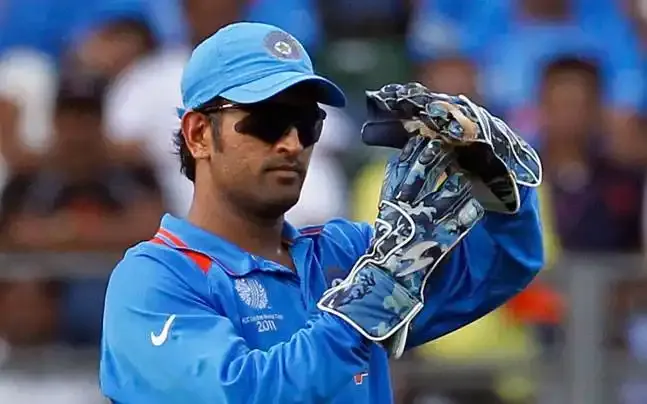
The wrong judgment could influence the entire game. This was a reality which characterized cricket. However, technological advancements have taken over before the discussion turns into an argument. DRS is a mechanism through which cricketers are able to question the judgment made by the umpire based on use of video and tracking mechanisms. Simply put, DRS works towards rectifying human error witnessed in the field during matches. This ensures that there is justice and fair play within the sporting activities without affecting the natural course of the game.
DRS acts as a link between instinct and fact. It means that players are not dependent anymore on just the umpire's decisions. They are allowed to ask for their queries to be solved within seconds. Every team is provided with limited options of reviews. If the query is answered right, it stays with them; otherwise, they will lose it. DRS has evolved the player's approach towards cricket.
History of DRS
This technology came into being in 2008 during the Test series involving India and Sri Lanka. At that point, it had been named UDRS. It was still an experiment at that time. In 2009, it became a regular part of test matches. Gradually, it spread to other formats of the game such as One Day Internationals (ODIs) and Twenty-Twenty International games (T20Is). It even became compulsory in T20 Internationals from 2017 onward. Several improvements were made to its rules along the way. For example, review limits were reduced, and new conditions like “umpire’s call” were introduced. Step by step, DRS evolved into a core part of modern cricket.
How Does DRS Work?
Firstly, a player makes the request for a review. It can either be the batter himself or the captain of the opposing team. Next, the on-field umpire makes a referral to the third umpire regarding this issue. Firstly, it’s determined whether the delivery was fair or not. Secondly, the footage is played back and technological assistance is sought. After that, the third umpire takes into account several perspectives to make the final call. Should the evidence be sufficient, a reversal would take place; otherwise, the initial decision prevails.
Ball - Tracking
Ball-tracking technology plays an important role in DRS. It tracks the motion of the ball as it travels from the bowling arm to its striking point. Afterward, it projects the path of the ball beyond the impact with the pad. This information is significant in LBW calls, as it determines the spot at which the ball pitches, the point of impact, and if it will strike the wickets. Multiple cameras capture this data. The result is a projected path that helps the umpire decide accurately.
Snickometer
The Snickometer captures even the subtlest sound produced by the ball as it goes past the bat. The device captures an audio spike and synchronizes this spike to specific video frames. If the audio spike corresponds to the ball going past the bat, then it shows evidence of an edge.
Hotspot
Thermal imaging technology is applied in HotSpot. Heat marks, generated due to friction when the ball comes into contact with the bat or pad, are detected. The hot spots show up as bright marks on the screen. It has been a vital instrument for edge detection at one point in time. Nevertheless, it is no longer used in every case.
Ultra Edge
Ultra Edge is the improved form of sound detection. It uses both sound and slow-motion images to detect the edges. It is more effective than the older methods. Even small edges are not ignored by this system. The third umpire verifies whether there is coherence in the sound and the action.
Necessary Protocols During DRS
The utilization of DRS is governed by strict guidelines. Players have to come up with their decision during the stipulated period. Seeking any external assistance is not allowed. Only certain decisions, like LBW and caught, are subject to review. The third umpire needs to verify that the ball was delivered legally before any review can take place. Teams have a few unsuccessful appeals per innings. It is crucial that if the outcome is “umpire’s call,” then the original decision stands.
Conclusion
DRS has revolutionized the way cricket is played. There has been a decrease in the number of mistakes made without taking the human aspect out of decision-making. The umpire makes the first judgment, with technology coming into play only when necessary. It brings together faith and confirmation. With the speed at which the game has developed, DRS guarantees quality judgments.