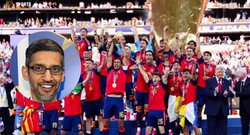


Google CEO Sundar Pichai announced on July 22 that more than 1.7 billion people worldwide watched FIFA World Cup-related videos on YouTube during the tournament, making it the platform's most-watched FIFA World Cup ever. This made it the most-watched FIFA World Cup on the platform to date. This milestone really highlights how YouTube is becoming a key player in how fans engage with major sporting events, moving beyond just traditional TV. Pichai noted that this event has set a new standard for YouTube's global sports audience and showcases the evolving ways people are watching on various devices.
The numbers are in: 1.7B+ global viewers tuned in to @YouTube to watch World Cup-related videos during the tournament. ⚽️ It was our most viewed World Cup ever on YouTube, bringing lifetime views of related content to over 200B! https://t.co/GwcduxGEwU
— Sundar Pichai (@sundarpichai) July 22, 2026
In a post on X, Pichai said, “What an unforgettable @FIFAWorldCup! Here’s how the world followed the tournament on @YouTube. 1.7B+ unique global viewers and 200B+ lifetime views of World Cup related content. 2.5B+ views from our creator cohort who brought iconic commentary and perspectives throughout the tournament. 10M+ live views for our first Creator Cup.”
Creator Cup and Fan Content Boost YouTube's World Cup 2026 Success
The tournament's digital triumph was fueled not just by official coverage but also by a vibrant community of YouTube creators. This talented group, boasting a staggering 350 million subscribers combined, churned out match analyses, reactions, and behind-the-scenes glimpses, racking up over 2.5 billion views throughout the competition. On July 12, YouTube made history by hosting its inaugural FIFA Creator Cup in Central Park, New York. Teams led by IShowSpeed and Celine Dept took part in an exhibition match, while the official livestream drew in more than 10 million viewers. YouTube CEO Neal Mohan acknowledged the significant role creators played in connecting fans to the tournament, expressing gratitude to partners, creators, and employees for crafting such a unique viewing experience. He also extended his congratulations to Spain for clinching the World Cup.
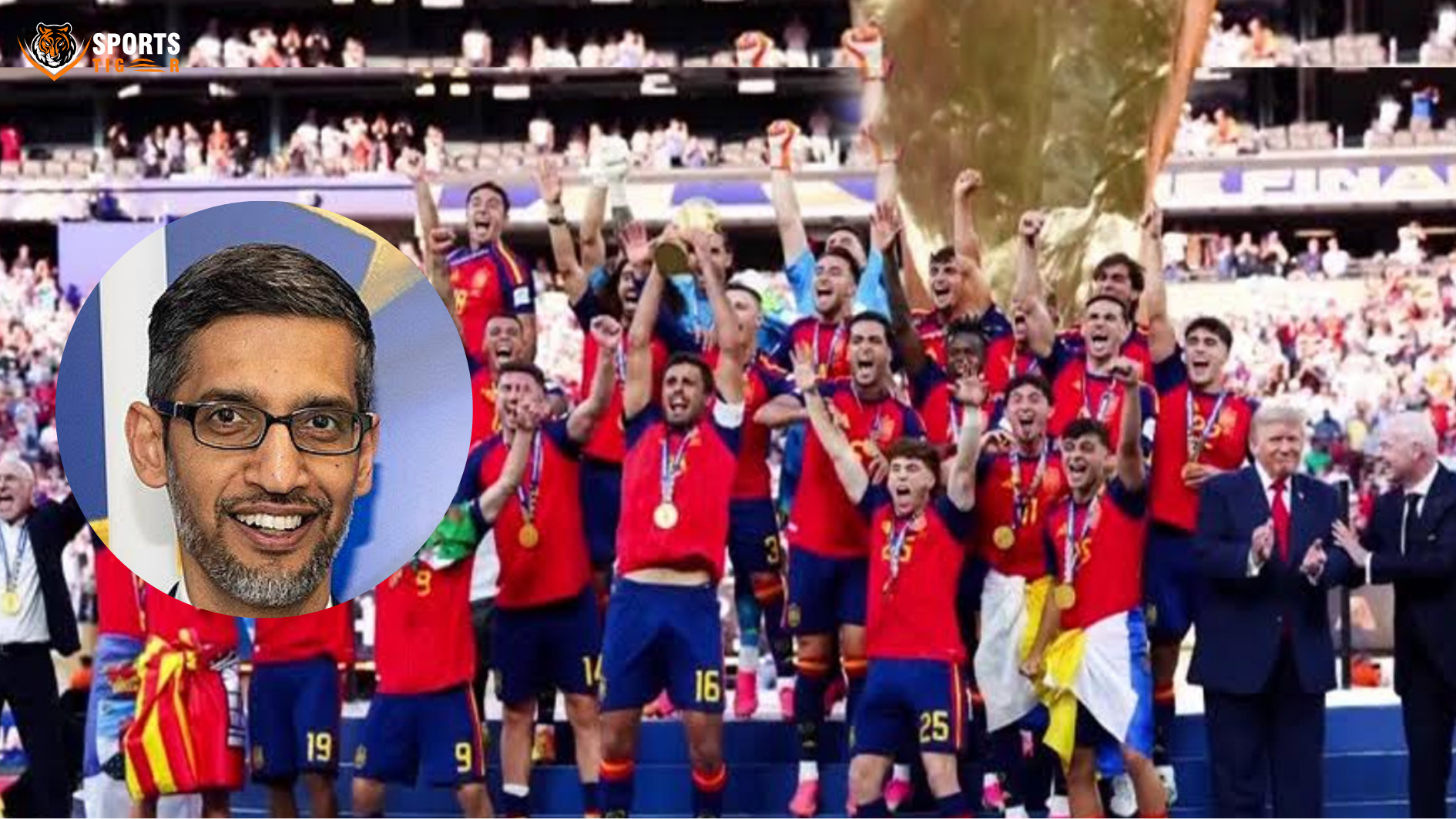
The tournament wrapped up with Spain celebrating their second FIFA World Cup title after a nail-biting 1-0 victory over Argentina in extra time. Substitute Ferran Torres netted the decisive goal in the 106th minute, thanks to a perfectly timed header from Nico Williams. Spain dominated much of the final, maintaining possession and creating numerous scoring chances, but Argentina's goalkeeper, Emiliano Martinez, kept his team in the game with an impressive 12 saves. This victory marked the end of a 16-year wait for Spain's second World Cup title since their first in 2010, following their UEFA Euro 2024 success and showcasing the team's remarkable journey on the international stage.