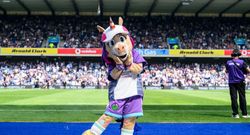


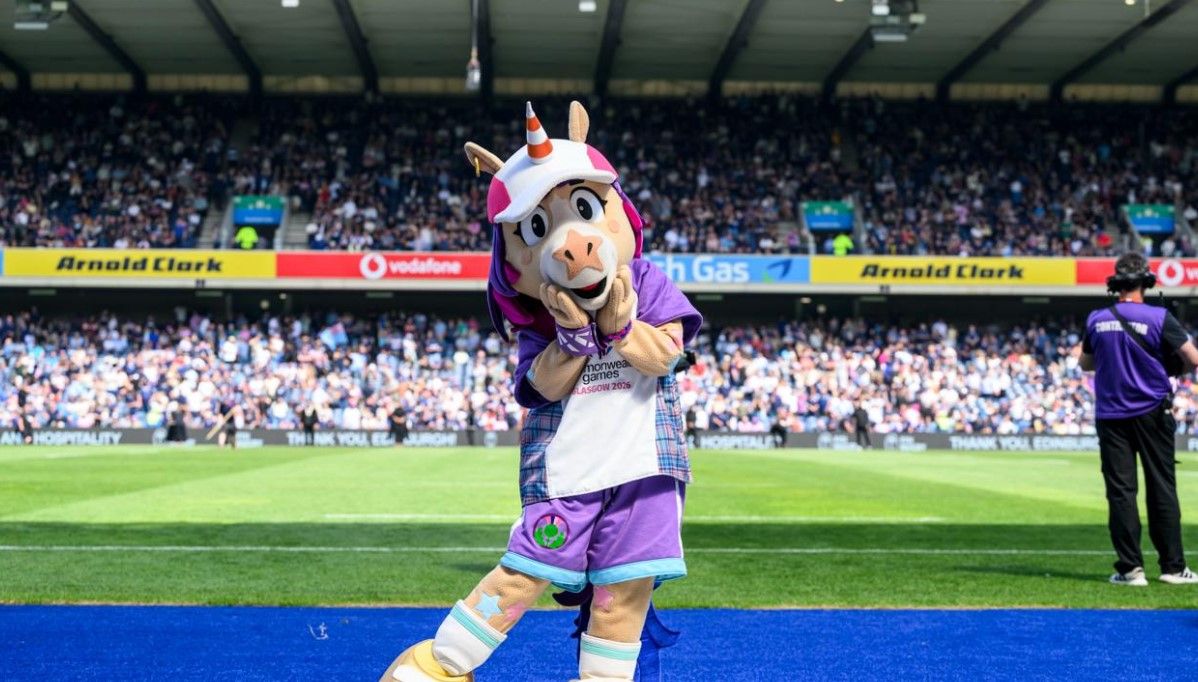
The Commonwealth Games have a rich tradition of using mascots to highlight the culture and identity of the host nation, and some have truly gone above and beyond just saying hello to fans. As we gear up for Glasgow 2026, meet Finnie, the official she-unicorn mascot, who’s shining a light on these unforgettable sporting icons.
Drawing inspiration from Scotland's national animal, Finnie embodies Scottish heritage in every detail of her design, showcasing the thoughtful process that goes into choosing a mascot. Let’s take a moment to reflect on the seven most remarkable Commonwealth Games mascots that have made a lasting impression with their stories, popularity, and cultural significance.
Finnie also pays homage to one of Glasgow's most iconic landmarks. Her name is inspired by the Finnieston Crane, a beloved riverside attraction that draws in thousands of visitors each year. More than just a warm welcome for athletes at Glasgow 2026, she carries on a tradition that began decades ago, celebrating local history, wildlife, and community spirit, while becoming enduring symbols of their respective Games.
The Commonwealth Games' Seven Most Memorable Mascots
1. Finnie - Glasgow 2026
The latest mascot for the Commonwealth Games represents Scotland in terms of a unicorn, which is the national animal of the nation. This mascot was created on the basis of suggestions by children from Glasgow and is inclusive in nature. It is said that Finnie has played all the 10 sports to realize the efforts involved in winning them.
2. Perry - Birmingham 2022
The name was inspired by Perry Barr, as Perry paid homage to the long-standing association of Birmingham with Bullring. The brightly colored bull created by 10 year old Emma Lou was the first mascot for the Commonwealth Games to come with an Augmented Reality experience. A gigantic 10 meter long mechanical bull was also the highlight of the opening ceremony.
3. Borobi - Gold Coast 2018
He was known for being an energetic blue koala with a cultural background. The name Borobi was derived from the Yugambeh language, and Indigenous art decorated his costume. The story of him being a surfer and the Borobi Fan Trail were instrumental in making him famous, and he even had a special day in Australia.
4. Clyde - Glasgow 2014
Clyde became the first official non-animal mascot for Commonwealth Games in history. The idea came up from the Scottish national flower, thistle. Clyde was created by 12-year-old Beth Gilmour from among over 4,000 other designs submitted. There were 25 Clyde figurines displayed throughout Glasgow during the games and more than 50,000 soft toys sold.
5. Klee Wyck - Victoria 1994
The introduction of Victoria's mascot Klee Wyck, which was an Orca Whale representing Canada's Pacific coast, marked the emergence of one of the first mascots with a well-written fictional background through a kids' book. The use of storytelling as a strategy for mascot development took the concept beyond sport.
6. Matilda - Brisbane 1982
Matilda has truly earned her place as one of the most iconic mascots in Commonwealth Games history. This impressive 13-meter mechanical kangaroo stole the show during the opening ceremony, delighting the audience when children dressed as adorable joeys popped out from her pouch. This unforgettable performance transformed Matilda into a lasting emblem of the Brisbane Games.
7. Keyano - Edmonton 1978
It all started with the mascot named Keyano, which was the first ever mascot of the Commonwealth Games. This friendly looking grizzly bear got its name from a Cree word which meant "unity and brotherhood," which were the essence of this event. There were more than 50 merchandise lines featuring this mascot, showing that it is possible to make a mascot an essential element of the games.