


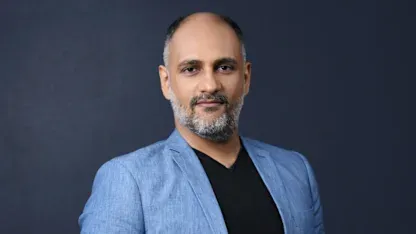
International Cricket Council CEO Sanjog Gupta has drawn a clear line under the old way of arranging international cricket declaring that the time for casually scheduled bilateral series is over. In an interview with PTI’s Bharat Sharma, Gupta said the sport can no longer afford matches that lack deeper meaning. “The era of randomly scheduled bilateral series has to come to an end, because countries will not be able to sustain cricket without context, culture, competition & competitiveness, which require significant investment of resources, both financial and non-financial,” he said.
Gupta, who took charge at the ICC in July last year after a stint heading sports at JioStar, made the remarks at a time when Test and ODI cricket face growing pressure from the explosion of T20 leagues around the world. He argued that these four elements which are context, culture, competition and competitiveness are the real drivers of fan attention and long-term loyalty. Without them, he suggested, even traditional bilateral series become hard to justify commercially and logistically.
ICC CEO ON BILATERAL SERIES. [Bharat Sharma from PTI] "The era of randomly scheduled bilateral series has to come to an end, because countries will not be able to sustain cricket without context, culture, competition & competitiveness, which require significant investment of… pic.twitter.com/JDtCBqSF7d
— Johns. (@CricCrazyJohns) August 12, 2026
ICC chief calls for stronger purpose and structure in cricket
The ICC chief remained optimistic about the future of the 50-over game. He believes ODIs still have a clear place in cricket’s product mix, one that is “inextricably linked” to the men’s and women’s World Cups. The format, he said, can not only survive but thrive if its purpose is better defined and its evolution carefully planned, including wider participation.
Bilateral series remain the domain of individual cricket boards. The ICC controls only the multi-nation events such as World Cups and the World Test Championship, while boards keep the commercial rights to their own bilateral fixtures. Gupta’s comments signal a push for those boards to bring greater structure, narrative and competitive weight to the fixtures they arrange.
He also stressed a broader mindset shift. In an environment of growing populations, fragmented attention and harder-to-maintain fan loyalty, simply protecting the status quo is not enough. “Our ambition has to be growth,” Gupta has indicated. Without it, he warned, the sport risks stagnation. Cricket's traditional formats need clearer purpose, stronger competitive frameworks and smarter investment if they are to remain relevant alongside the booming T20 ecosystem.