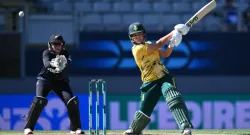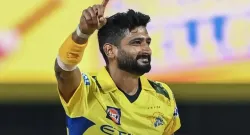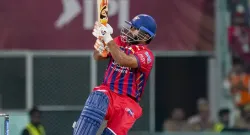



The Mumbai Cricket Association (MCA) is set to become the first state association in India to introduce a central contract system for its senior players, beginning with the 2026-27 domestic season. The decision was finalized during an Apex Council meeting led by MCA President Ajinkya Naik to provide financial security and structured support to Mumbai's cricketers. Initially, the contracts will only be awarded to senior male cricketers.
Players who already hold BCCI central contracts or are part of IPL franchises will likely be excluded from this system. It is designed to provide year-round financial security to players who represent Mumbai but lack the massive paychecks associated with the Indian Premier League (IPL) or the Indian national team. By introducing this, the MCA became the first state association in India to offer annual retainerships on top of standard match fees.
The MCA has established three specific categories (Grades A, B, and C) to remunerate approximately 15 to 20 players annually. Contracted players are forbidden from participating in matches or tournaments outside MCA’s jurisdiction without explicit consent. Violations result in immediate ineligibility for all Mumbai teams.
A HISTORIC MOMENT 🫡 Mumbai Cricket Association becomes the first state Association to introduce the Players contract system from the 2026-27 season. [Devendra Pandey] pic.twitter.com/zKypnGCwuf
— Johns. (@CricCrazyJohns) April 16, 2026
Contract’s impact on total earnings of players
These annual contracts are in addition to the already high match fees in Mumbai.Since 2024, the MCA has matched the BCCI’s match fees for Ranji Trophy players.For a 4-day match, a player with over 40 caps earns ₹4.8 lakh per match (₹2.4 lakh from BCCI + ₹2.4 lakh from MCA).
A core Mumbai domestic player who is not in the IPL could now realistically earn between ₹40 lakh and ₹60 lakh per year through a combination of their new MCA contract, doubled match fees, and tournament prize money. The contract will provide the players a financial safety net, who slowly rely on domestic cricket for their livelihood. It will empower players to prioritize the Ranji Trophy over chasing short-term T20 opportunities elsewhere.
It will also empower emerging talent with the confidence to focus on long-term development rather than immediate financial pressure.