


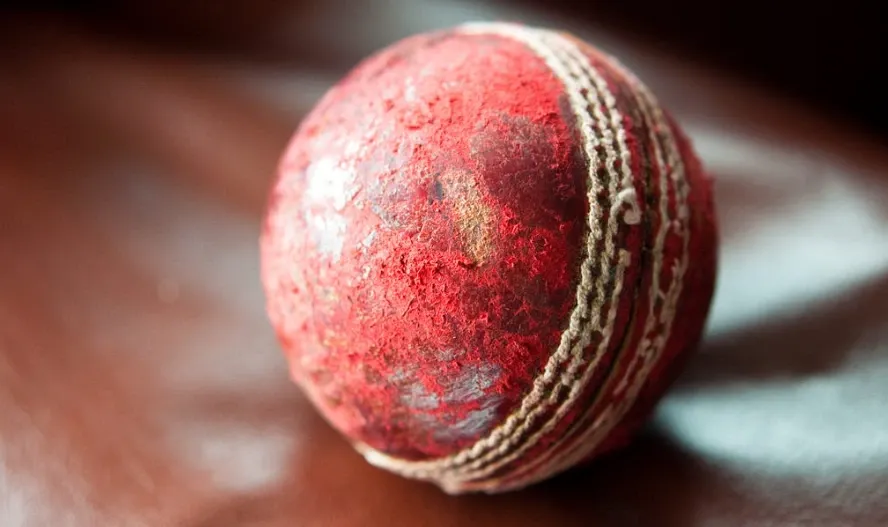
Cricket, long known as a gentleman’s game, has had its share of controversies over its rules. One of the major controversies surrounding the game is ball tampering. There has been at least one incident of ball tampering in every decade. One of the most infamous ones was the controversy surrounding the Australian players, Steve Smith, David Warner and Cameron Bancroft, as they were seen tampering with the ball before bowling, live on camera.
Before talking about the incident, we must understand what exactly ball tampering is. Ball tampering is the illegal, intentional alteration of a cricket ball's condition by players to gain an unfair bowling advantage, such as increased swing or unpredictable movement.
Why is Ball tampering a crime in Cricket?
Ball tampering is considered a crime because it violates the spirit of the game. Altering the surface of the ball helps the bowler increase the swing, making it difficult for the batter to hit the ball. It creates an unfair advantage for the bowling team.
Players use different methods to rough up one part of the ball’s surface through different methods, such as deliberately bouncing on a hard ground, or using saliva or sweat to bring the shine. However, methods such as using fingernails to scratch the surface of the ball or rubbing the ball against the zip of their pants are considered illegal according to the ICC’s Code of Conduct.
Ball tampering is a severe Level 3 offence in cricket. The punishment for this crime can be anywhere from 1–2 match bans for first offences, 2–4 matches for second offences, to 1–2 year suspensions for repeat offenders. On-field penalties include a 5-run award to the opposition and replacement of the ball.