

Picture Credit: X
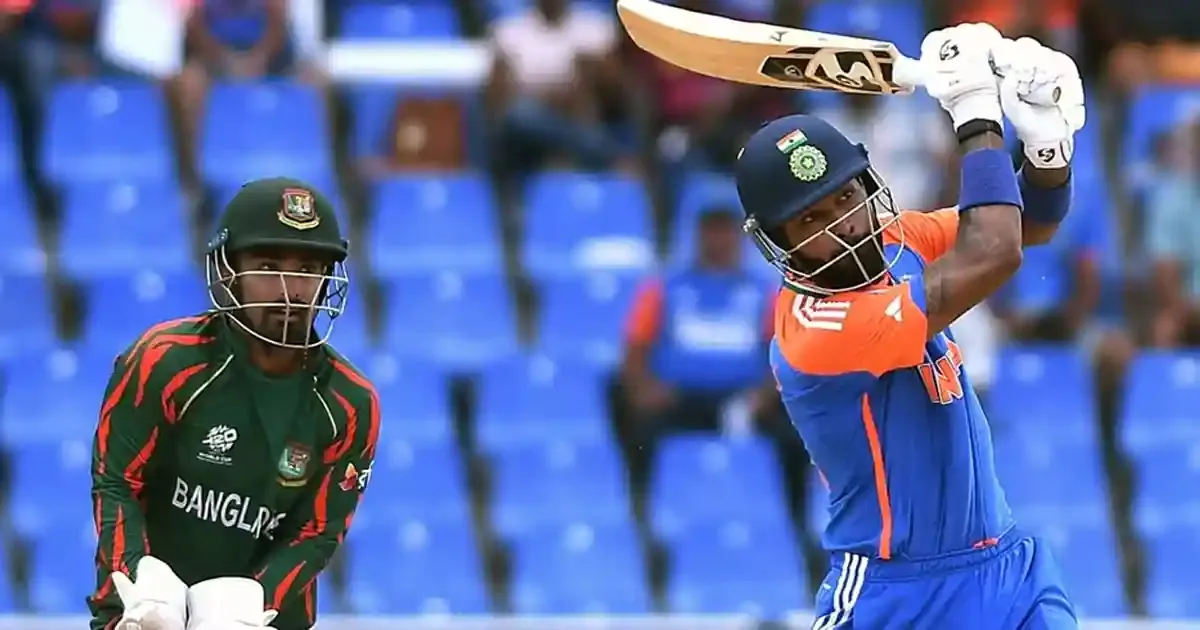
Just when it seemed cricketing relations had hit rock bottom, Bangladesh appears ready to change the narrative with a surprising diplomatic reset aimed at India. Weeks after the dramatic fallout surrounding the ICC Men’s T20 World Cup 2026, officials in Dhaka are now openly expressing their desire to rebuild bridges, a move that has caught fans and analysts off guard. Interestingly, the Bangladesh Cricket Board pulled out of the T20 World Cup 2026 citing security reasons.
The controversy began when Bangladesh opted out of participating in matches scheduled on Indian soil, triggering a chain reaction that ultimately saw Scotland step in as a replacement. The decision stirred heated debate across cricket circles, with critics calling it a political misstep that risked isolating Bangladesh within the international cricket community.
Also Read: What is Super 8? All you need to know
Now, however, the tone has shifted dramatically. Leading the reconciliation effort is Aminul Haque, the country’s State Minister for Youth and Sports, who recently held discussions with Indian diplomatic representatives in Dhaka. His message was clear: both nations share a long-standing sporting bond that should not be derailed by a single dispute. According to officials present, Haque emphasized the importance of restoring cooperation swiftly and constructively.
Insiders suggest that the sudden softening in stance is not accidental. The World Cup withdrawal reportedly sparked internal concern among administrators and cricket authorities, who realized the episode risked harming Bangladesh’s global cricketing image. There is growing recognition that maintaining strong ties with influential bodies such as the Board of Control for Cricket in India is vital for future tours, scheduling opportunities, and regional cricket development.
Observers believe the government’s outreach signals a calculated attempt to repair both diplomatic and sporting relationships before long-term damage sets in. Cricket, after all, is more than just a game in South Asia — it is a powerful cultural connector and a major diplomatic channel.
If talks progress positively, this unexpected olive branch could open the door to renewed bilateral series, collaborative cricket programs, and a more stable regional cricket environment. What looked like a deep rift only weeks ago may soon be remembered as a brief but tense chapter in an otherwise intertwined sporting relationship.