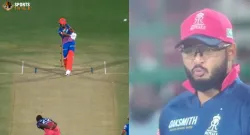



The Delhi Capitals have often been one of the most competitive teams in the Indian Premier League over the past few seasons, but inconsistency in key moments has prevented them from going all the way. As they prepare for IPL 2026, one area that could heavily influence their campaign is the performance of their middle-order batting lineup.
In modern T20 cricket, the middle overs—typically from overs 7 to 15—have become one of the most decisive phases of the game. Teams that can maintain a steady scoring rate while protecting wickets during this period often build strong platforms for big finishes.
For Delhi Capitals, the effectiveness of their middle order could ultimately determine whether they emerge as genuine contenders or struggle to maintain consistency through the tournament.
Axar Patel’s Leadership Begins a New Chapter for Delhi Capitals
For the upcoming season, Axar Patel has taken over the captaincy of Delhi Capitals, marking the beginning of a new leadership era for the franchise. Axar has been one of the most consistent performers for Delhi in recent years, contributing significantly with both bat and ball.
Since joining Delhi Capitals, Axar has evolved into one of the most reliable all-rounders in the IPL. With over 1700 runs and more than 110 wickets in the tournament, his ability to influence games in multiple ways makes him a natural leader within the squad.
As captain, Axar will not only need to manage the bowling attack effectively but also ensure that the middle-order batting unit performs consistently under pressure.
Rishabh Pant’s Exit Leaves a Major Middle-Order Gap
One of the biggest changes for Delhi Capitals heading into IPL 2026 is the absence of Rishabh Pant, who now leads the Lucknow Super Giants. Pant had been a central figure in Delhi’s batting lineup for several seasons and played a crucial role in stabilizing and accelerating innings from the middle order.
With over 3200 IPL runs at a strike rate above 145, Pant was often the batter who could shift momentum quickly in Delhi’s favour. His departure leaves a significant gap in the middle order that the franchise will need to fill with collective performances rather than relying on a single match-winner.
Delhi’s middle-order batters will now have the responsibility of maintaining scoring momentum and ensuring that the team does not lose control during the crucial middle overs.
Why Middle-Overs Performance Could Define Delhi’s IPL 2026 Season
The IPL has increasingly become a tournament where teams win matches by dominating the middle phase of an innings. Successful teams maintain a run rate of eight to nine runs per over during this period while keeping wickets in hand for the final assault.
For Delhi Capitals, building partnerships in the middle order will be critical. If their batters can rotate strike against spinners, capitalize on loose deliveries, and maintain pressure on opposition bowlers, the team could develop a far more balanced batting unit.
However, if the middle order struggles to adapt without Pant’s presence, Delhi could find themselves under pressure during tight run chases or while setting competitive totals.
With a new captain in Axar Patel and a restructured batting lineup, the middle-order performance could ultimately shape Delhi Capitals’ journey in IPL 2026.