

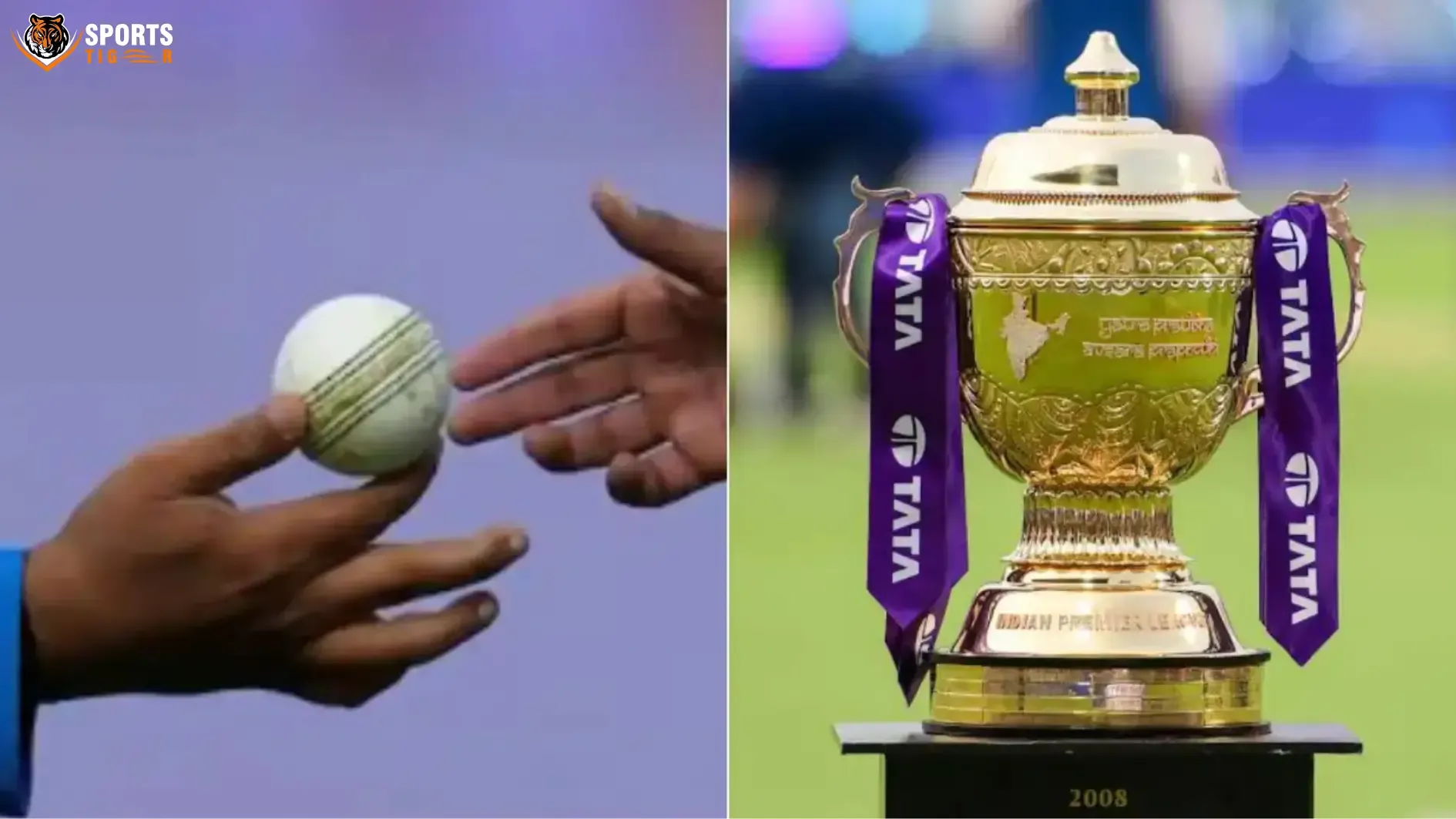
The introduction of the ‘Second Ball’ rule in the Indian Premier League has added a new tactical dimension to T20 cricket, particularly addressing one of the most debated factors in night matches dew. This rule is designed to create a fairer contest between bat and ball, especially in the second innings where bowlers often struggle to grip a wet ball.
Under this rule, the bowling team in the second innings is allowed to request one mandatory ball change after the completion of the 10th over. However, there are specific conditions attached. Only the captain of the fielding side can make this request, and it must be done at the end of an over. This ensures that the flow of the game is not unnecessarily disrupted while still allowing teams to adapt to changing conditions.
Importantly, the replacement ball is not brand new. Instead, it is a used ball with similar wear and tear to the one being replaced. This maintains the balance of the game, preventing any unfair advantage that could arise from introducing a completely new ball with harder seam and extra bounce. The goal is not to reset conditions, but to neutralize the excessive impact of moisture.
Dew has historically played a crucial role in IPL matches, especially in venues where night games are common. A wet ball makes it difficult for bowlers particularly spinners to maintain control and extract turn. Fast bowlers also struggle with execution, as yorkers and slower deliveries become harder to grip. As a result, teams chasing targets often gain a significant advantage, leading to a noticeable toss bias.
The ‘Second Ball’ rule aims to reduce this imbalance. By allowing a controlled ball change, bowlers can regain some level of grip and control, making the contest more competitive. It also adds a strategic layer, as captains must decide the optimal time to request the change based on match situations, pitch conditions, and dew intensity.
From a broader perspective, this rule reflects the IPL’s continuous evolution and willingness to innovate. The league has often been at the forefront of introducing changes that enhance both fairness and entertainment value. If successful, the ‘Second Ball’ rule could influence other T20 leagues and even international cricket in the future.
Overall, the rule is a step toward ensuring that matches are decided by skill and strategy rather than uncontrollable external factors like weather conditions.