

The tactical nuances of the five crucial matchups dictating the IPL 2026 Qualifier 1 between Royal Challengers Bengaluru (RCB) and Gujarat Titans (GT) center around the fast, altitude-assisted bounce at the HPCA Stadium in Dharamshala.
Here is an extended breakdown of how these specific battles will influence the game plan for each captain:
1. Virat Kohli vs Kagiso Rabada:
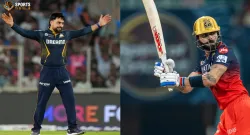
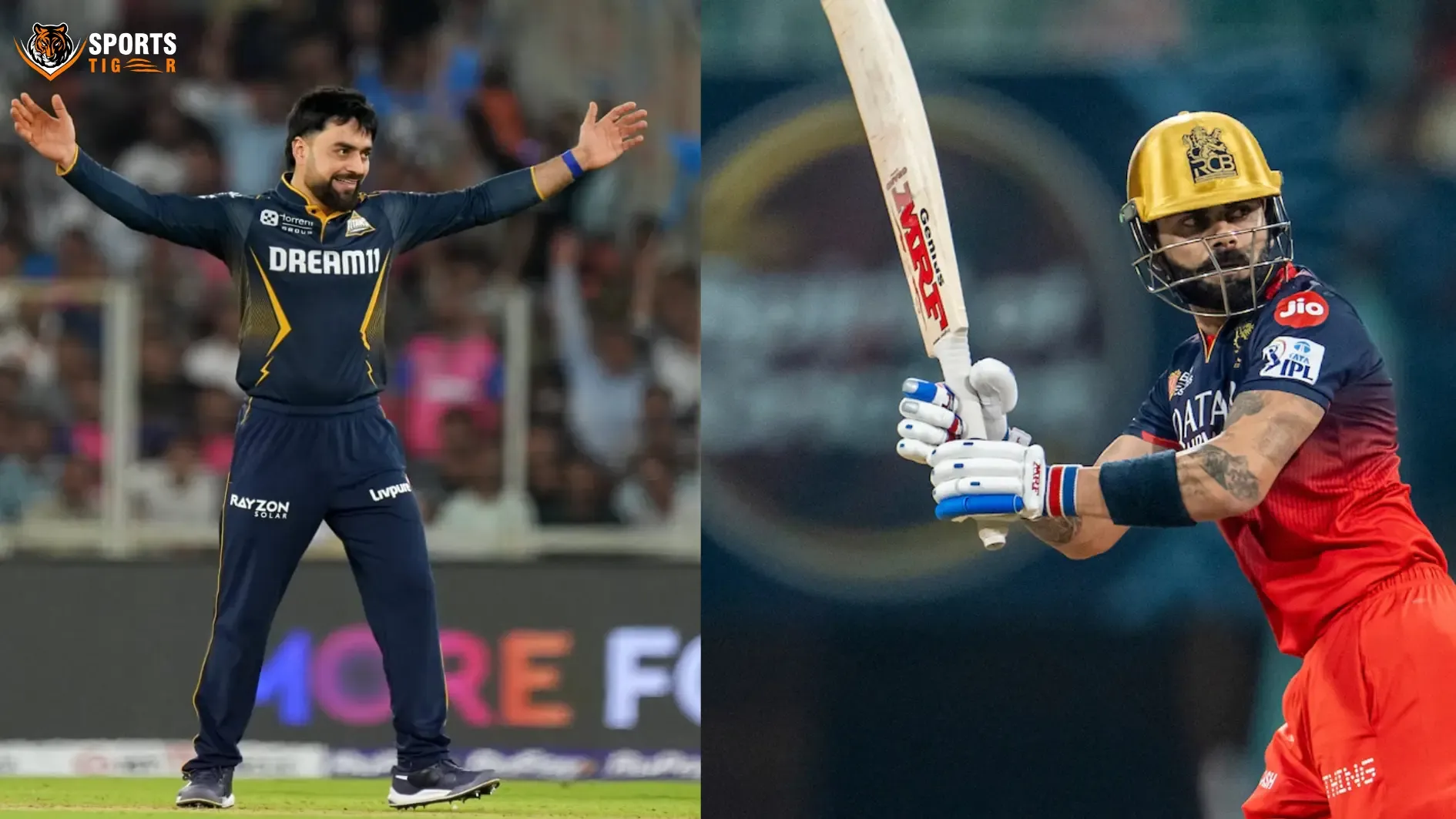
This will be the battle between the opener who looks for mistakes to punish the opening bowlers to create pressure and the bowler who is habitual in dismantling the top order from the start of the game. It will be an iconic spectacle to witness between Virat Kohli and Kagiso Rabada who holds a strong grip on the batsman by dismissing him 5 times in 16 T20 innings Rabada who has traditionally relied on hard lengths and subtle inward movement to tie Kohli down, keeping his strike rate against him to a quiet 113.33. During the IPL 2026, seven of Rabada’s wickets during the league phase came strictly in the powerplay; GT will use him for an aggressive three-over opening spell. Kohli, who enters as RCB's anchor with over 478 runs this season, will look to use the extra bounce to play late and exploit the fast outfield.
2. Shubman Gill vs Bhuvneshwar Kumar:
Bhuvneshwar Kumar holds a massive psychological advantage over Gill, limiting him to a meager average of 16.0 and a defensive 106.7 strike rate across their T20 meetings. Bhuvneshwar has been masterfully complete this season, squeezing teams at both ends of the innings. Under the night skies, Dharamshala offers genuine lateral movement for the first 4 overs. Bhuvneshwar will look to test Gill with traditional outswingers before targeting his pads with an inswinging delivery. This is because Gill is the architectural pillar of GT's top-heavy lineup; an early breakthrough allows RCB's middle-order spinners to squeeze the game.
3. Virat Kohli vs Rashid Khan:
If Kohli survives the powerplay, GT captain Shubman Gill will immediately turn to Rashid Khan. Rashid's quick through-the-air leg-spin and invisible googly are designed to starve Kohli of his preferred wristy leg-side singles. Dharamshala's high altitude means the ball travels faster through the air, making Rashid's variations feel even quicker out of the hand. Kohli will need to heavily rely on sweep shots or use his feet to prevent Rashid from settling into a rhythm. This matchup determines whether RCB can transition smoothly from the powerplay into a massive death-overs launch.
4. Sai Sudharsan vs Josh Hazlewood:
Sai Sudharsan has been a model of consistency for GT, accumulating 638 runs by routinely punishing shorter deliveries. However, Josh Hazlewood specializes in hitting the "corridor of uncertainty", the exact length that makes it difficult for left-handers to commit forward or back.
The pitch provides steep bounce, meaning Hazlewood’s back-of-a-length deliveries will rear up toward Sudharsan's shoulders. Hazlewood will likely stack the off-side field and dare Sudharsan to drive against the movement, trying to find an outside edge to the slip cordon.
5. Phil Salt vs Mohammed Siraj:
Phil Salt's availability is the biggest talking point after missing the late league stage due to a finger injury. If he passes final observation and opens the batting, he brings an ultra-aggressive intent that directly collides with Mohammed Siraj's fiery opening bursts. Siraj has formed a deadly powerplay partnership with Rabada for GT. He knows the exact triggers of RCB's top-order from his previous seasons with them. He will look to bowl cross-seam deliveries that wobble off the Dharamshala deck to exploit Salt’s lack of recent match rhythm.